
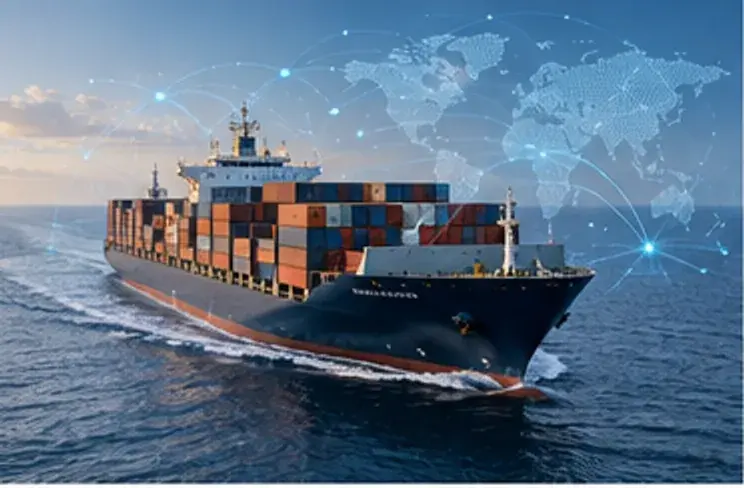
What people mean by AI in shipping
Artificial intelligence is a broad label for software that performs tasks such as recognizing patterns, generating text, estimating outcomes, or helping rank possible actions. In shipping, those tasks may support maintenance planning, route analysis, document review, cargo operations, or training. The phrase does not describe one universal system: each tool depends on a specific purpose, data source, operating environment, and level of human review.
A useful starting point is to ask what decision or task the system supports. Is it summarizing a report, flagging an unusual sensor reading, or recommending a route option? The answer determines what data is needed, how errors could matter, and who remains responsible for checking the result.
Where it may help—and what to check
Pattern-recognition models can identify recurring relationships in historical data; optimization software can compare alternatives under defined constraints; generative AI can help draft or summarize text. These are different capabilities and should not be treated as interchangeable. A text model that explains a concept is not automatically suitable for a safety-critical operational decision.
Before trusting a maritime AI application, examine the quality and representativeness of its data, how it behaves when conditions change, whether the result can be explained, and what fallback exists if the system is unavailable. Human expertise, approved procedures, and authoritative sources remain essential.