
Autonomous Ships in 2026: What the IMO MASS Code Means
A dated briefing on the IMO's 2026 non-mandatory MASS Code, its human-oversight focus, and the next steps toward mandatory rules.
Read the briefingExplore practical explainers on maritime AI, data, operations, careers, and safety—plus dated coverage of important industry developments. Articles distinguish potential use cases from proven results and link to authoritative sources where relevant.
Time-sensitive articles are dated and linked to official sources. Check the original publications for updates before acting on regulatory or operational information.
A dated briefing on the IMO's 2026 non-mandatory MASS Code, its human-oversight focus, and the next steps toward mandatory rules.
Read the briefingA concise explainer distinguishing the IMO's new non-mandatory MASS Code from the idea that ships are already fully autonomous.
Read the briefingA dated briefing on two important 2026 developments and why regulatory scope depends on the system, operator, and jurisdiction.
Read the briefingClear, practical reading for maritime learners, seafarers, and shipping professionals.

Understand how artificial intelligence is used across vessels, ports, logistics, and maritime learning, along with its limits.
Read article
A clear introduction to ship predictive maintenance, from condition data and failure patterns to human-reviewed maintenance decisions.
Read article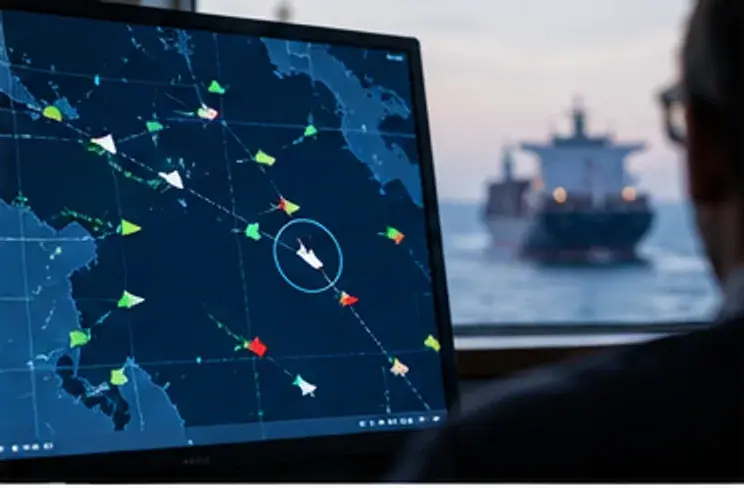
Learn what AIS, onboard sensors, and operational records can tell you—and why data quality matters before AI analysis.
Read article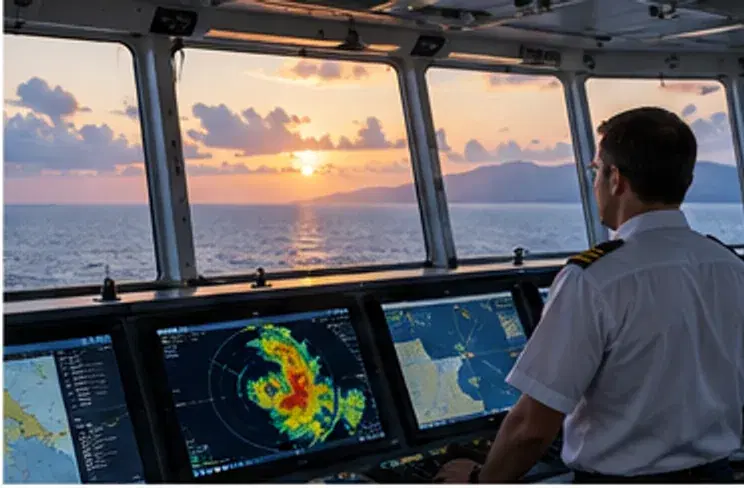
Explore weather-routing decision support, the variables it must balance, and why route recommendations need qualified review.
Read article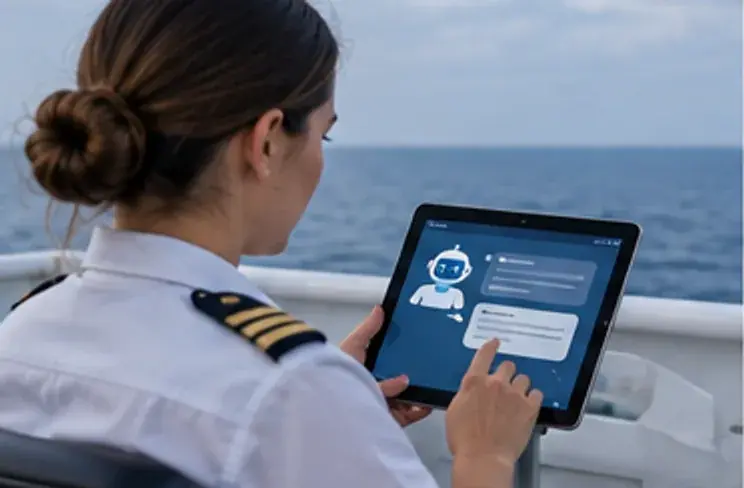
How analytics may help examine vessel efficiency while avoiding unsupported savings claims and unsafe operating trade-offs.
Read article
A practical overview of AI use cases in ports, including cargo flow, equipment monitoring, and administrative support.
Read article
Understand maritime computer-vision uses, sensor limitations, privacy concerns, and the need for human verification.
Read article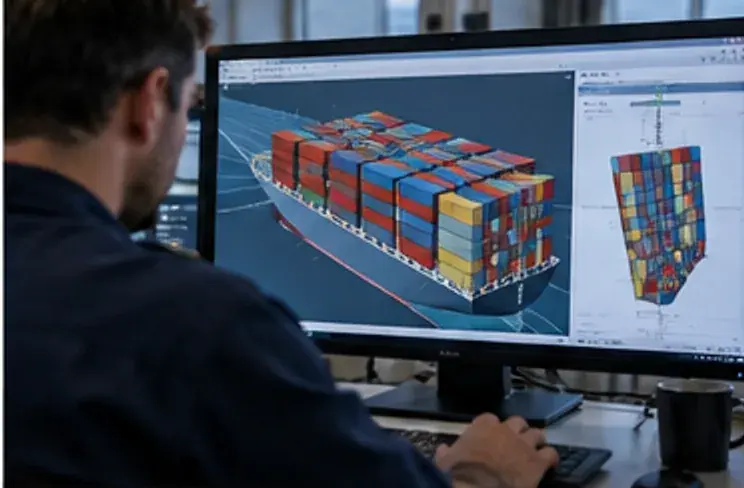
A dated briefing on the IMO's 2026 non-mandatory MASS Code, its human-oversight focus, and the next steps toward mandatory rules.
Read article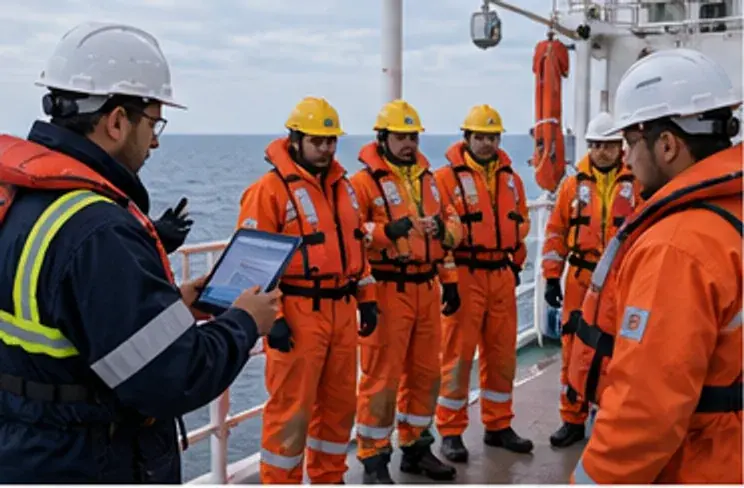
Why connected sensors and AI workflows need cybersecurity planning, access controls, updates, and operational fallback procedures.
Read article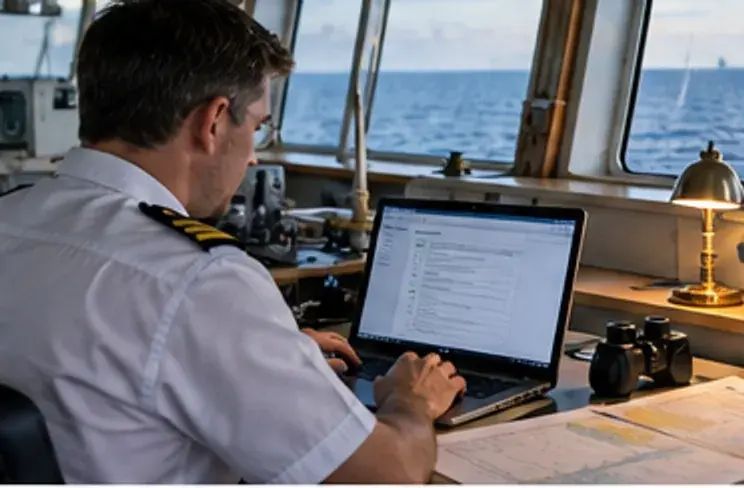
Prompt patterns for study, summaries, and non-sensitive writing tasks, with practical fact-checking and privacy safeguards.
Read article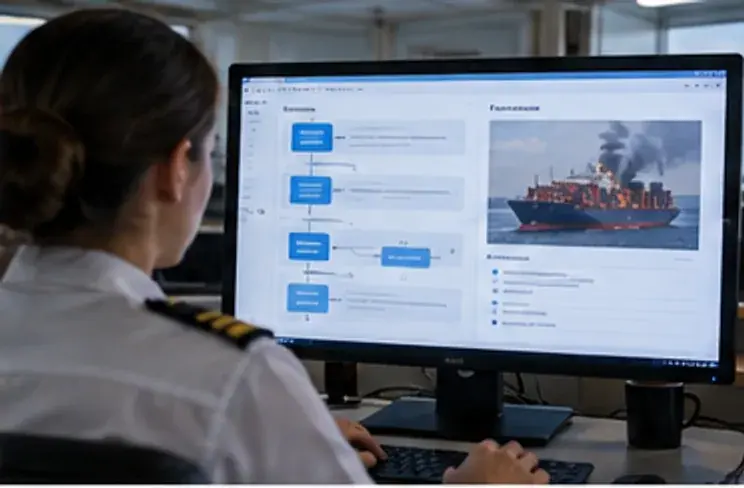
How AI may assist with routine document drafting while preserving traceability, confidentiality, and human approval.
Read article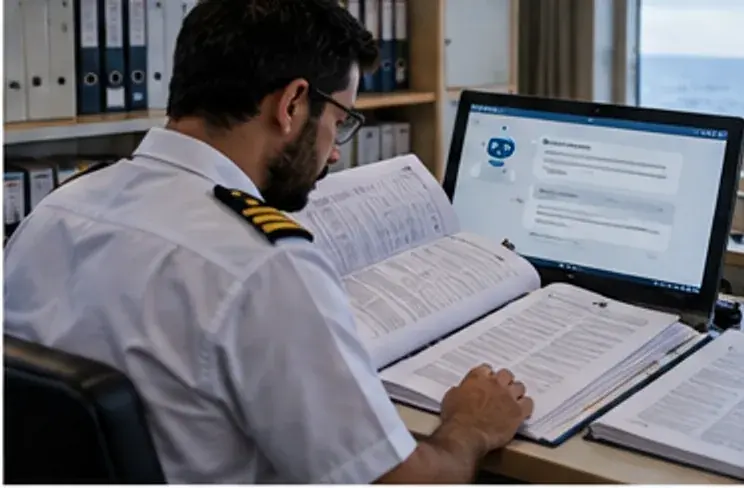
A practical framework for deciding who reviews AI outputs, when to override them, and how to manage system failure.
Read article
A realistic guide to AI literacy, data skills, domain expertise, and collaboration for maritime careers—without job guarantees.
Read article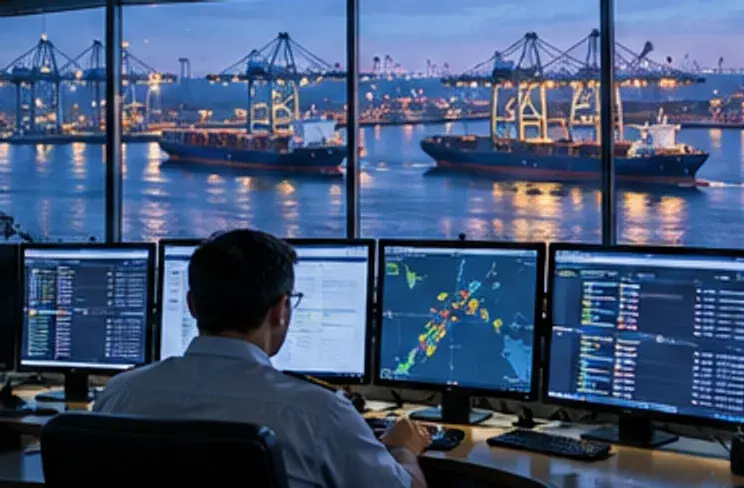
A concise explainer distinguishing the IMO's new non-mandatory MASS Code from the idea that ships are already fully autonomous.
Read article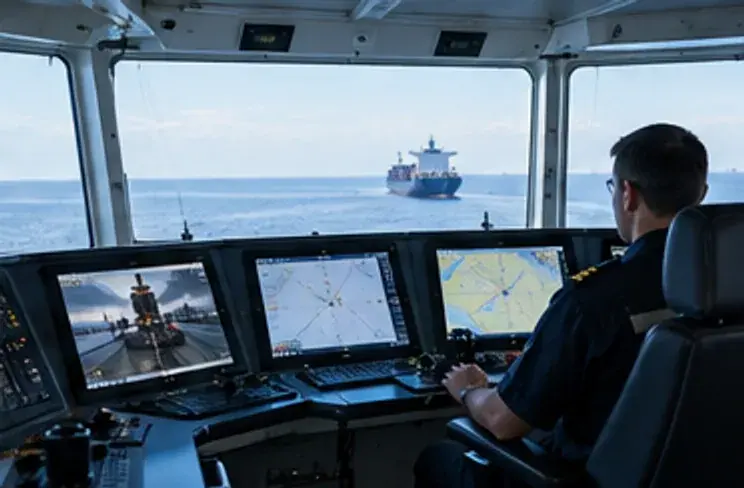
A dated briefing on two important 2026 developments and why regulatory scope depends on the system, operator, and jurisdiction.
Read article
A step-by-step way to scope an AI pilot around a real maritime problem, usable data, measurable outcomes, and safe fallback plans.
Read articleGet the free seafarer prompt guide or explore the 30-day course outline and learning outcomes.