
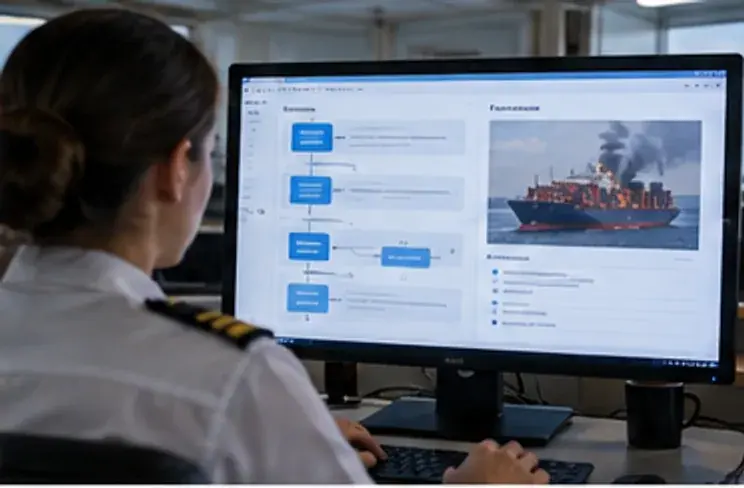
Use AI to assist with structure
Language tools can help organize notes, rewrite non-sensitive text for clarity, or create a draft template. These uses can save editing time when the person supplying the information understands the subject and reviews the final result. The system should not create missing facts, dates, measurements, signatures, or approvals.
A controlled workflow distinguishes source records from generated text. Keep the original information, identify edits, and route the draft through the same review and approval process as other documents. For regulated or safety-related records, confirm requirements with the responsible organization.
Avoid silent changes and data leakage
Models may change technical language, units, identifiers, or the meaning of a sentence while making it sound smoother. Compare outputs with source material and verify every operational detail. Use only approved tools for company records and apply appropriate access controls and retention rules.
A sensible pilot begins with low-risk, non-confidential drafting tasks. Measure review effort, error types, and user experience before expanding to more consequential documents.